
It’s 2026…Time to Get Moving!
Women’s bodies are designed to adapt through every stage of life, and movement plays a central role in that process. This article emphasizes that women’s fitness is not something to stop and start. It is something that grows with the body.
This piece looks at how exercise helps women’s health and strength. It also shows how movement creates women's empowerment at different stages of life.
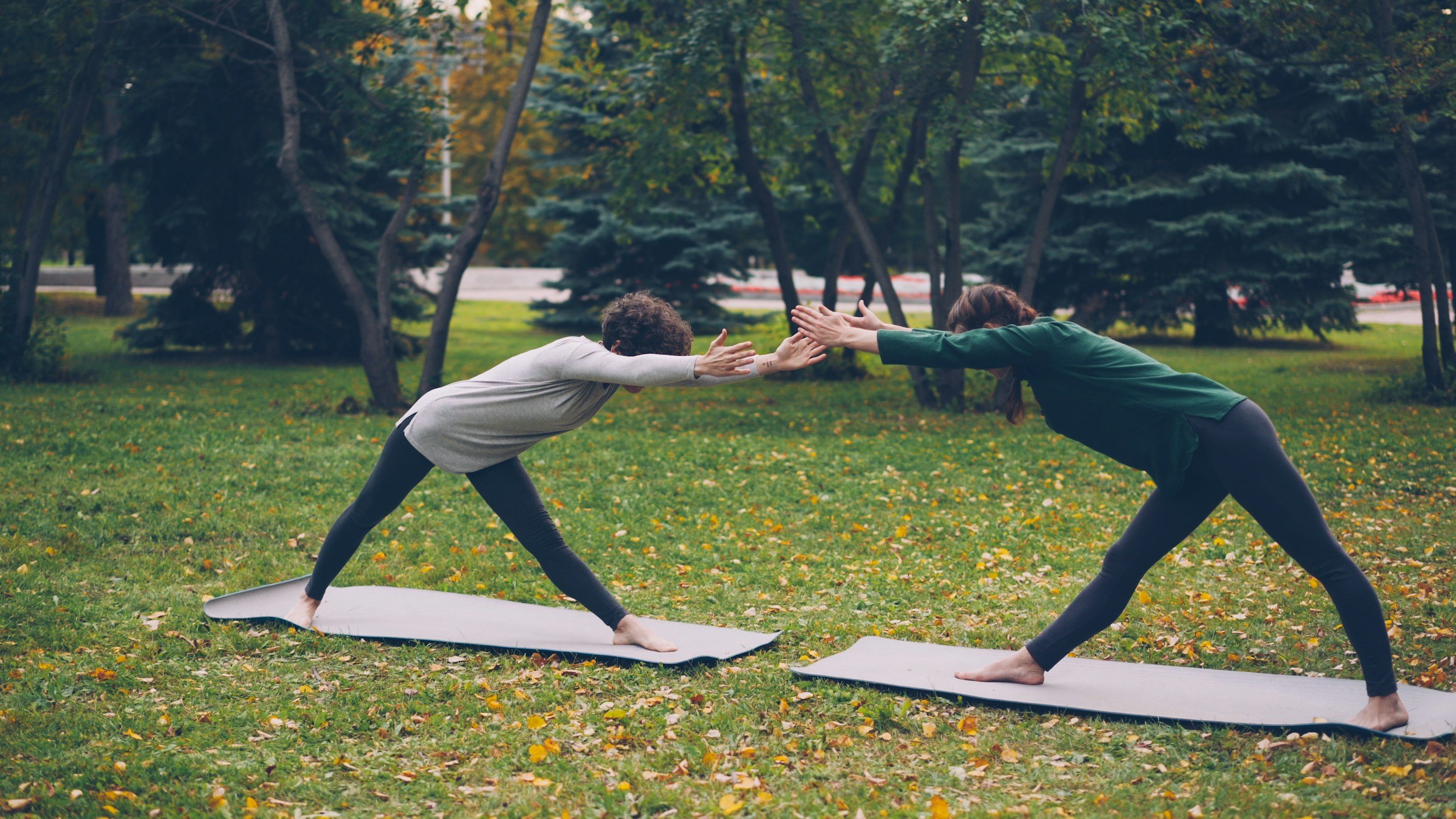
There’s something about yoga in the Lorain County Metroparks that makes it feel effortless.
The Health Benefits of Movement (and Why It Matters)
Regular physical activity is very important for women’s health throughout their lives. It helps with heart health, metabolism, muscle strength, and mental well-being. Evidence increasingly suggests that women experience meaningful protective effects from consistent movement even at moderate levels of activity.
In a large NIH-supported study, researchers found that “women who engaged in regular physical activity had a significantly lower risk of all-cause mortality and cardiovascular events, even when exercising less than the recommended amount,” highlighting the disproportionate health benefits women may derive from movement. These findings reinforce movement as a preventative health strategy rather than a performance-based pursuit. For women navigating hormonal changes, aging, and shifting physical demands, consistent exercise supports long-term resilience without requiring high intensity or volume.
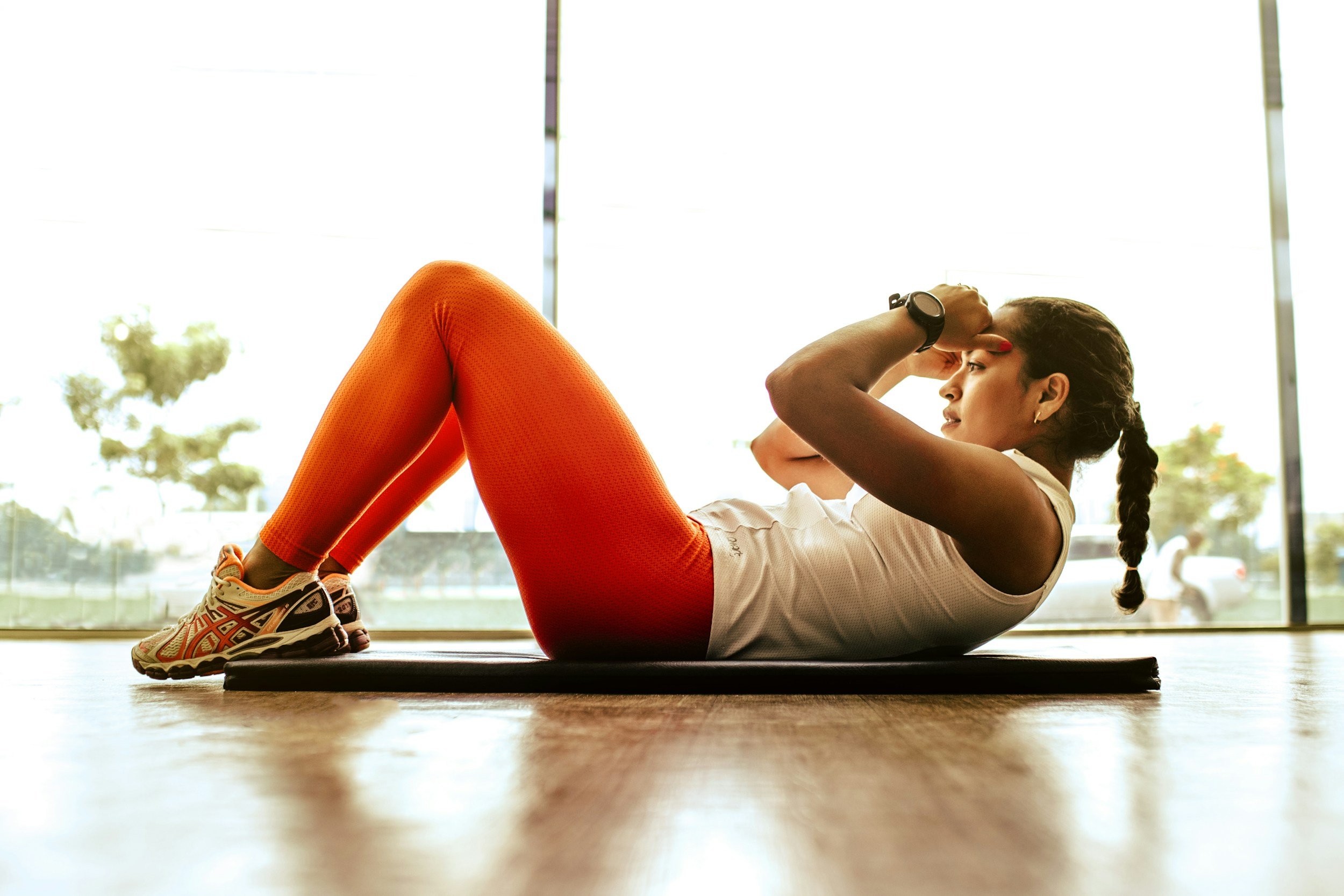
Attainable Movement and Functional Fitness
Movement can take many forms. Research from exercise physiology and public health shows that the best methods support daily activities. These methods should also be easy to keep up over time.
Walking and Low-Impact Cardio exercises are some of the easiest ways for women to stay active. These activities support cardiovascular health, circulation, and endurance while remaining adaptable across different fitness levels and life stages. Because they put little stress on joints, they can be done regularly. This makes them a good base for movement for women.
Strength Training and Load-Bearing Movement: Strength training is key for women's fitness. It helps improve bone density, muscle strength, posture, and joint stability. In a peer review published in an exercise science journal, researchers concluded that “regular moderate-intensity exercise is widely accepted as a preventative and therapeutic strategy that maintains and restores health at the organismal, cellular, and molecular levels” This finding reinforces the value of sustainable resistance-based movement over high-intensity or maximal training approaches.
Mobility, Flexibility, and Balance Work: Mobility, flexibility, and balance-focused exercises support joint range of motion, coordination, and movement efficiency. These types of movement are important for preventing injuries. They also help people stay independent as their physical needs and recovery abilities change. Together with cardiovascular and strength-based activity, they support lifelong movement for women by emphasizing adaptability and function rather than performance.
Seasons of Life When Movement Is Especially Important
Certain periods of life place increased physical, hormonal, or structural demands on the body. During these seasons, intentional movement plays a particularly important role in supporting function, resilience, and recovery.
Periods of Increased Stress or Mental Change: High stress can affect how we move and recover. Aging can also play a role. Hormonal changes and recovering from illness may impact movement and recovery time as well. During these periods, appropriately scaled exercise supports circulation, joint health, and nervous system regulation. Staying active during changes helps keep your body working well. It also lowers the chance of long-term weakness.
Pregnancy, Prenatal Movement, and Pelvic Health: Pregnancy represents a significant transition that affects posture, load distribution, breathing mechanics, and pelvic stability. Prenatal movement that is guided supports comfort, movement, and overall health without increasing risk. In a peer review of exercise during pregnancy,researchers found that “regular physical exercise during pregnancy is associated with numerous benefits, including reduced incidence of gestational diabetes, hypertensive disorders, excessive weight gain, and lumbopelvic pain, without increasing the risk of adverse maternal or perinatal outcomes”. Within this context, pregnancy-safe exercise supports pelvic floor health, coordination, and stability rather than focusing solely on strength.
In the video below, Dr. Patrick Beeman (making an appearance as OBGYN Kenobi) discusses safe, evidence-based approaches to movement and exercise during pregnancy. As a medical referral partner with Lorain County nonprofit Cornerstone Women’s Health Center, Dr. Beeman also produces educational content aimed at making women’s health guidance more accessible.
Safe Exercises for Most Stages of Life
Physical activity doesn’t need to be intense or complicated to be effective. The following exercises are widely considered safe for most people, whether you’re young, older, pregnant, postpartum, returning from inactivity, or simply looking for sustainable movement. As always, individuals with medical conditions should consult a healthcare provider before starting a new routine.
Walking
Walking is one of the safest and most accessible forms of exercise. It supports cardiovascular health, joint mobility, and mental well-being, and can be easily adjusted for pace, distance, and terrain.
Gentle Stretching
Slow, controlled stretching helps maintain flexibility, reduce muscle tension, and support posture. Stretching can be done seated, standing, or lying down, making it adaptable for a wide range of abilities.
Chair-Based Exercises
Chair exercises allow for safe movement with added stability. These may include seated leg lifts, arm raises, gentle twists, or resistance-band movements, and are especially helpful for balance support.
Bodyweight Movements
Simple bodyweight exercises—such as wall push-ups, sit-to-stands, or supported squats—help maintain muscle strength without placing excessive strain on joints.
Swimming or Water Aerobics
Water provides natural resistance while reducing impact on joints. Swimming and water-based exercises are often recommended for individuals with joint pain, limited mobility, or during pregnancy.
Stationary Cycling
Using a stationary bike offers low-impact cardiovascular exercise while minimizing fall risk. Resistance and duration can be adjusted to match individual fitness levels.
Yoga (Gentle or Restorative Styles)
Gentle yoga focuses on controlled movement, balance, breathing, and body awareness. Restorative or chair-based yoga options can be particularly supportive for flexibility and stress reduction.
Tai Chi
Tai Chi emphasizes slow, deliberate movements and balance. It is widely recognized for improving coordination, reducing fall risk, and supporting mental focus.
Light Resistance Training
Using light weights or resistance bands helps maintain bone density and muscle tone. Exercises should be performed with controlled movements and proper form rather than heavy loads.
Breathing and Mobility Exercises
Intentional breathing exercises combined with gentle mobility work support core stability, posture, and nervous system regulation, making them beneficial across all ages.
A Note on Safety
Safe movement looks different for everyone. Comfort, consistency, and proper form matter far more than intensity. Pain, dizziness, or shortness of breath are signals to stop and seek professional guidance.
Moving Forward
Movement is a consistent and evidence-based tool for supporting women’s health across every stage of life. Instead of seeing exercise as something to stop or delay, women’s fitness works best when it adapts to their changing needs. By prioritizing sustainable movement, women reinforce strength, resilience, and autonomy across life’s seasons.