
Understanding Seasonal Affective Disorder: What Lorain County Women Need to Know (and How It Differs From Other Depression)
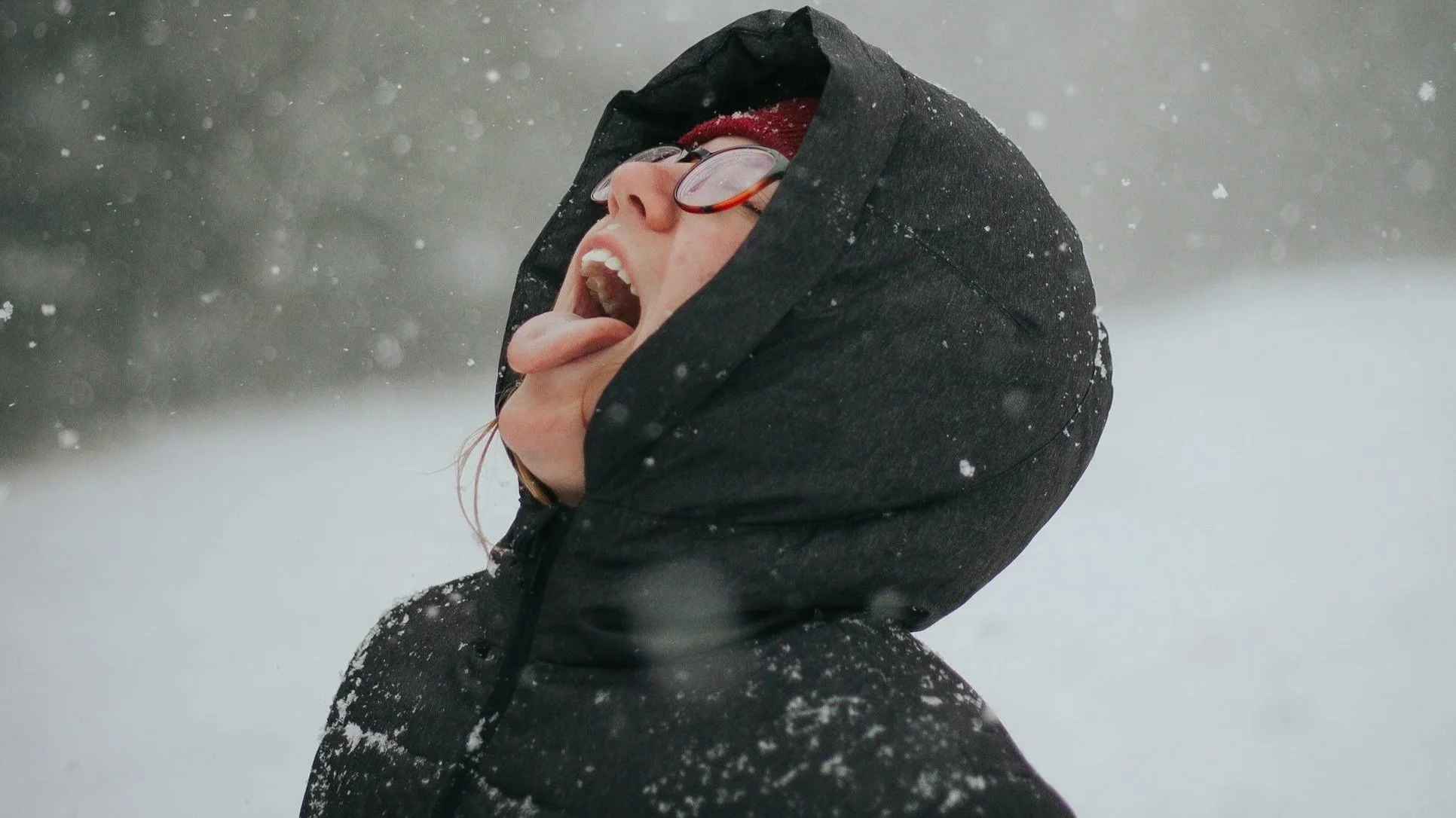
Winter is quickly settling into Northeast Ohio, and as the days grow shorter, you may have noticed a shift happening inside you as well. Tasks that normally feel manageable start to require more effort. Motivation dips. You might feel sad without knowing exactly why. Even activities that once felt meaningful can start to seem distant or dull. For many women in Lorain County, these aren’t just seasonal frustrations, they could actually be early signs of Seasonal Affective Disorder (or SAD for short).
Often mistakenly called the “winter blues,” SAD is part of a broader category of mood disorders and follows a predictable seasonal pattern, most commonly emerging in late fall or early winter. It often begins with subtle symptoms that mirror the common signs of depression in women (low energy, irritability, withdrawal, or a creeping sense of worthlessness). It’s important to recognize and understand that these feelings, especially when they start towards the middle of Fall, are typically more than passing moods. They quite often represent depression early warning signs that deserve attention.
Fortunately, there are treatment options that can help. But first comes awareness. In a region like Lorain County where, like nearby Cleveland, there are only about 163 days of sun per year and just 49–50% of daylight hours bring actual sunlight, understanding how these seasonal changes affect mental health is the first step toward reclaiming clarity and emotional balance.
Overview of Seasonal Affective Disorder (SAD)
Seasonal Affective Disorder (SAD) is a recognized type of depression that occurs at specific times of the year, most often during the fall and winter months when daylight becomes scarce. The American Psychiatric Association classifies it as a form of clinical depression with a seasonal pattern specifier, meaning its depressive symptoms follow a recurring, annual cycle (APA, 2022).
In most cases, SAD begins in late autumn and lifts in spring. What sets it apart from other types of depression is its clear link to seasonal changes, especially in regions with extended periods of cloud cover and reduced sunlight, such as Lorain County and much of Northeast Ohio.
The symptoms of seasonal affective disorder mirror those seen in major depressive disorder: persistent low mood, fatigue, difficulty concentrating, and a loss of interest in daily life. However, SAD tends to include some unique features, particularly in its winter form, such as oversleeping, increased appetite (especially for carbohydrates), weight gain, and a noticeable drop in energy (NIMH, 2022).
While the exact cause is still being studied, researchers believe that lower exposure to sunlight disrupts the body’s circadian rhythm and leads to changes in serotonin and melatonin levels. These shifts can worsen negative thoughts, reduce motivation, and contribute to the emotional numbness many people experience during the colder months.
It’s important to differentiate SAD from the casual notion of “winter blues.” Feeling tired or less cheerful during gray weather is common, but SAD is far more intense and persistent. As a form of clinical depression, it can interfere with work, relationships, and daily functioning, especially if left untreated.
As we stated before, there are proven treatment options that can help manage and reduce the impact of SAD, including light therapy, talk therapy, and medication. Let’s dive into more info about each of those:
-
Light therapy is a first-line treatment for Seasonal Affective Disorder. It involves sitting near a light box that mimics natural sunlight (usually 10,000 lux) for about 20–30 minutes each morning. This helps regulate mood and sleep by resetting the body’s internal clock. It’s especially effective in low-sunlight regions like Lorain County during the winter months.
For trusted information and clinically recommended consumer devices, visit the Center for Environmental Therapeutics at cet.org.
-
Talk therapy is a proven treatment for Seasonal Affective Disorder, especially when symptoms are moderate to severe or tied to deeper emotional patterns. The American Psychiatric Association recommends Cognitive Behavioral Therapy (CBT) as the most effective approach for SAD. CBT helps individuals reframe negative thought patterns, develop healthier coping strategies, and build resilience through seasonal transitions.
Other helpful modalities may include interpersonal therapy (IPT) or behavioral activation, depending on individual needs and co-occurring issues like anxiety or pregnancy-related depression.
To connect with a licensed mental health provider, visit the APA’s Find a Psychologist tool:
🔗 https://locator.apa.org/ -
In some cases, healthcare providers may prescribe antidepressant medications to help manage the symptoms of Seasonal Affective Disorder. These medications - most commonly Selective Serotonin Reuptake Inhibitors (SSRIs) like sertraline or fluoxetine - work by increasing serotonin levels in the brain, which can improve mood, energy, and focus. Some individuals may also benefit from bupropion, which is FDA-approved for seasonal pattern depression.
Medication is often used when symptoms are moderate to severe, interfere with daily functioning, or do not respond fully to light therapy or counseling. It may also be prescribed preventatively, beginning in early fall before symptoms typically begin.
If you’re considering whether medication might be helpful for you, speak with a trusted medical provider.
Veranova Health offers women’s health services and can evaluate your symptoms or guide you toward the right treatment path.
Societal Factors Influencing SAD Prevalence
While biological and hormonal influences help explain why SAD affects women more frequently, societal and cultural factors are just as important, and quite often simply overlooked. In many cases, the structure of daily life, gender roles, and emotional expectations contribute significantly to the development or worsening of Seasonal Affective Disorder.
Women in Lorain County are statistically more likely to occupy caregiving roles - whether as mothers, daughters, health aides, or emotional supports in their families and communities. These roles often continue through the fall and winter months when energy levels are already low due to seasonal changes. The pressure to “hold it all together” despite emotional exhaustion can turn mild seasonal mood shifts into full depressive episodes.
Workplace dynamics also contribute. Women in the workforce are more likely to experience wage disparities, inflexible scheduling, or under-recognition, all of which can increase stress and lower job satisfaction. Add in long, dark commutes and decreased physical activity, and the environmental conditions are ripe for SAD to take hold.
There’s also a cultural stigma around expressing sadness or burnout. While women may be more open about emotional struggles, they often face subtle judgments being labeled as dramatic, moody, or overly sensitive. These stereotypes can discourage women from seeking help, delaying access to treatment options that might otherwise prevent symptoms from escalating.
In places like Lorain County, where winters are especially long, isolating, and gray, these pressures are magnified. Less sunlight means less exposure to natural mood regulation through vitamin D and circadian alignment. For those juggling multiple responsibilities with little relief, the season becomes more than just difficult, it becomes debilitating.
Recognizing these societal contributors is essential for improving how SAD is diagnosed and treated in women. Medical interventions are crucial, but so is creating space to talk openly about how culture, expectations, and everyday burdens impact mental health, especially during the darkest months of the year.
Common Signs of Seasonal Affective Disorder (and How to Distinguish It from Other Types)
Seasonal Affective Disorder shares many features with other forms of depression, but its seasonal pattern and specific symptoms can help distinguish it from similar conditions. Understanding the common signs of seasonal affective disorder and how they compare to other types of depression is key to getting the right diagnosis and support.
Common Symptoms of SAD Include:
Depressed mood that begins in late fall or early winter
Low energy and persistent fatigue, despite adequate sleep
Oversleeping or disrupted circadian rhythm
Cravings for carbohydrates and weight gain
Difficulty focusing or thinking clearly
Social withdrawal or disinterest in usual activities
Feelings of hopelessness, worthlessness, or emotional numbness
The defining feature of SAD is its seasonal recurrence, symptoms appear consistently during low-light months and lift as daylight returns. This temporal pattern is what separates SAD from clinical depression that occurs independently of the seasons.
To make an accurate diagnosis, providers will often try to rule out other types of depression, including:
Major Depressive Disorder (MDD): Symptoms persist year-round and aren’t linked to seasonal change.
Persistent Depressive Disorder (Dysthymia): Chronic, low-level depression lasting two years or more.
Bipolar Depression: Depression alternating with manic episodes, which SAD does not include.
Situational Depression: Triggered by a specific life event or trauma, not seasonal shifts.
Postpartum or Perinatal Depression: Occurs during pregnancy or following childbirth, driven by hormonal and emotional changes.
For women, especially, it’s important to separate SAD from depression in pregnancy, which can carry overlapping symptoms such as fatigue, mood swings, or loss of interest in activities. However, pregnancy-related depression may arise regardless of season and has different hormonal and psychosocial drivers. If pregnancy coincides with winter, the two may even compound one another, intensifying the impact.
Medical providers may also test for thyroid conditions, anemia, vitamin D deficiency, or chronic fatigue syndrome, conditions that share symptoms with SAD. A full evaluation should include mental health screening, physical exams, and a detailed health history.
Recognizing SAD early, before symptoms spiral into deeper depressive episodes, can lead to faster treatment and less disruption to daily life, especially in regions like Lorain County where long, dark winters are the norm.
Lorain County Resources for Combatting Seasonal Affective Disorder
Navigating Seasonal Affective Disorder takes more than personal willpower, it requires access to supportive, local resources that understand the unique challenges of Northeast Ohio winters. Here are several trusted services in Lorain County that can help:
Veranova Health - Women’s Health Services
Veranova Health offers comprehensive primary care, including mental health screenings and referrals. A general practitioner here can help assess symptoms of SAD and guide you toward treatment options like light therapy, talk therapy, or medication.
🔗 Learn more about Veranova Health’s primary care
Riveon Health - Behavioral Health Services
Formerly The Nord Center, Riveon Health provides mental health counseling, psychiatry, and crisis care. They specialize in treating mood disorders and offer individualized plans for conditions like SAD.
🔗 Explore Riveon Health’s mental health services
Cornerstone Pregnancy Services - Support for Women’s Mental Health
While primarily focused on pregnancy-related care, Cornerstone Pregnancy Services also provides emotional support and referrals for women facing depression during pregnancy - which may overlap or intensify during winter months. If you're experiencing seasonal symptoms alongside reproductive or hormonal changes, their team offers compassionate, targeted help.
🔗 Access pregnancy support through Cornerstone
Conclusion: Emphasizing Awareness and Action
Seasonal Affective Disorder is more than a case of the “winter blues”, it’s a real, recurring condition that deserves clinical attention, community support, and personal compassion. In Lorain County and across Northeast Ohio, the seasonal environment presents real risks, especially for women balancing the weight of hormonal, emotional, and societal stressors.
Whether you're navigating this yourself or supporting someone who is, understanding the distinct nature of SAD, recognizing its early signs, and exploring practical coping strategies for seasonal affective disorder can help prevent symptoms from becoming debilitating. And while it’s true that seasonal affective disorder more common in men or women is a question often asked, the focus should be on reducing stigma, increasing access to help, and acknowledging how this condition touches lives, regardless of gender.
If the season feels heavy, you’re not weak. You’re responding to real environmental and emotional stressors. The important thing is not to endure it silently, but to take that first step toward light, whatever form that takes.